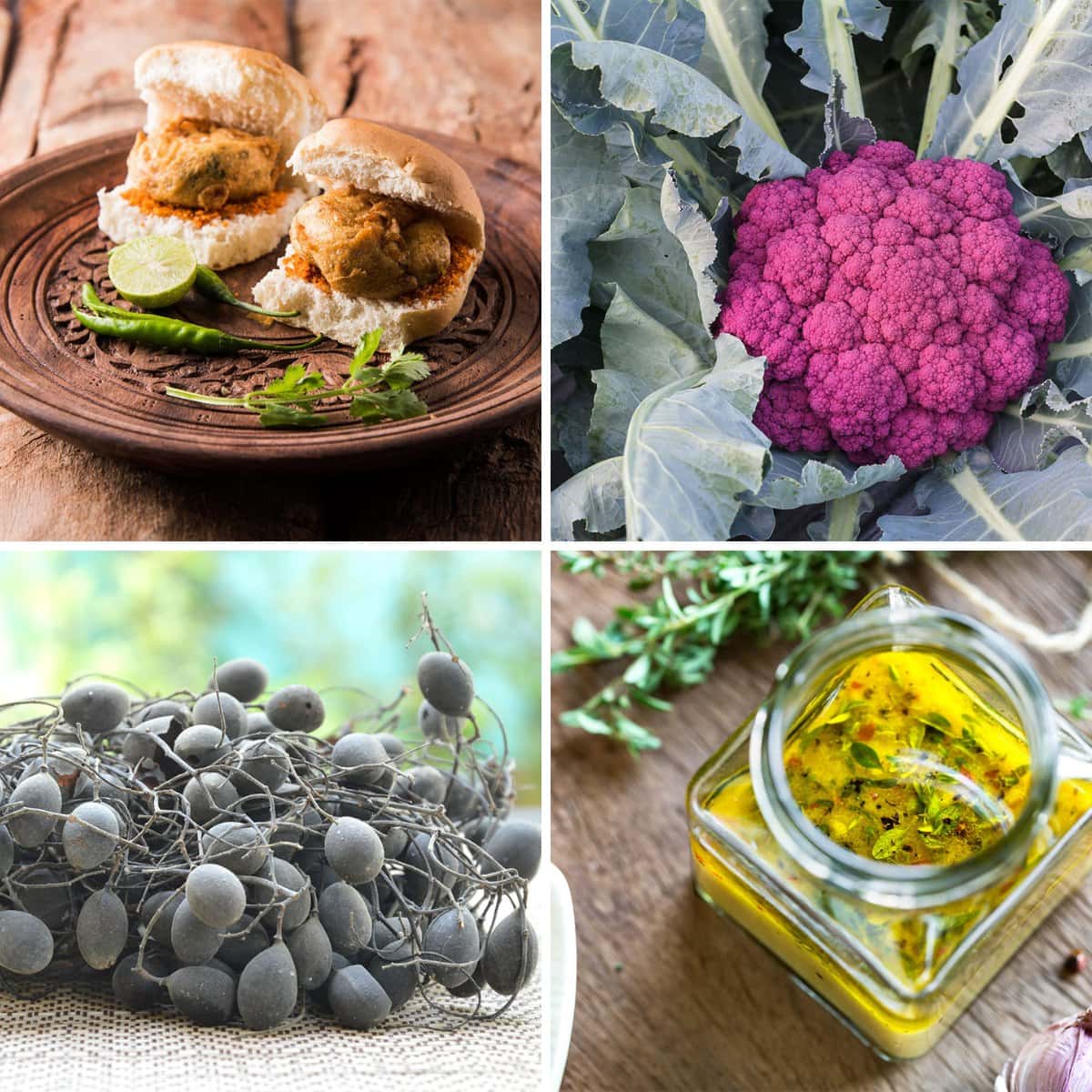
Beyond the Basics: Embarking on a Culinary Adventure with Unique V-Foods
When you hear "foods that start with v," your mind might immediately go to common staples like vanilla, vegetables, or veal. And while these are undeniably delicious and versatile, the culinary world is brimming with an astonishing array of lesser-known ingredients that can elevate your cooking to new heights. This article isn't just about listing foods that start with v; it's about inspiring you to step out of your comfort zone and discover the vibrant flavors, textures, and aromas that these unique V-foods bring to the table. Prepare to broaden your culinary horizons and transform your everyday meals into extraordinary experiences.
Unearthing Vibrant Vegetables & Fascinating Fruits
The plant kingdom offers a spectacular range of "v" ingredients, many of which remain underutilized in mainstream cooking. Exploring these can add a pop of color, an intriguing texture, or a novel flavor profile to your dishes.
Vitelotte Potatoes: The Purple Gem
Forget your standard russets or Yukon Golds; Vitelotte potatoes are a visual and gastronomic delight. Originating from France and Peru, these striking tubers boast a deep purple skin and flesh, retaining their vibrant hue even after cooking. Their flavor is subtly nutty, with a slightly firmer texture than regular potatoes. They're not just pretty; they're also rich in antioxidants, particularly anthocyanins, which give them their distinctive color.
- Culinary Tip: Vitelottes are fantastic roasted, mashed (for a dramatic purple mash!), or sliced thinly and fried into chips. Their firm texture also makes them ideal for potato salads or gratins where you want them to hold their shape. Pair them with contrasting colors like green herbs or bright red bell peppers for an eye-catching dish.
Voavang: Madagascar's Wild Bean
Hailing from Madagascar, Voavang (also known as the Madagascar Bean or Seseh) is a fascinating legume with a robust, earthy flavor and a hearty texture. Often used in traditional Malagasy cuisine, these beans are typically dried and require soaking before cooking. They are a staple source of protein and fiber, making them a nutritious addition to any meal.
- Culinary Tip: Voavang beans are excellent in stews, soups, and curries, where their substantial texture can shine. They absorb flavors beautifully, so try slow-cooking them with aromatic spices like ginger, garlic, and chilies, or incorporating them into a rich tomato-based sauce. They can also be a wonderful plant-based alternative to meat in hearty dishes.
Victoria Plums: A Sweet Summer Treat
While plums are well-known, the Victoria plum stands out for its exceptional sweetness, juiciness, and versatility. This classic British variety is renowned for its large, oval fruit with a pale red skin and golden-yellow flesh. They are incredibly aromatic and ripen beautifully in late summer.
- Culinary Tip: Beyond simply eating them fresh, Victoria plums excel in baking. They make exquisite crumbles, tarts, and jams. Their sweetness also balances wonderfully with savory dishes, such as roasted pork or duck, where their slight tartness can cut through richness. Try making a spiced plum chutney for an unexpected accompaniment to cheese or charcuterie.
Savouring Unique Spices, Sauces & Culinary Staples
Beyond whole foods, the world of "foods that start with v" also includes a treasure trove of flavor enhancers and foundational ingredients that can truly transform a dish.
Vadouvan: The French-Indian Spice Blend
Vadouvan is an intriguing French interpretation of a classic Indian curry blend. Unlike traditional Indian curry powders, Vadouvan often incorporates aromatics like shallots, garlic, and curry leaves that are slow-cooked and caramelized before being blended with spices such as cumin, fenugreek, mustard seeds, and turmeric. The result is a richer, sweeter, and more complex flavor profile with smoky undertones.
- Culinary Tip: Use Vadouvan as a dry rub for roasted chicken, fish, or lamb. It also makes an exceptional base for creamy vegetable curries, lentil dishes, or even scrambled eggs. To fully release its flavor, gently toast it in a dry pan before adding other ingredients.
Verjuice: The Unripe Grape's Tang
Verjuice, meaning "green juice" in French, is the pressed juice of unripe grapes. It offers a gentle, tart acidity that is less aggressive than vinegar or lemon juice, making it a favorite among chefs for delicate sauces and dressings. It was a common souring agent in medieval European cuisine before lemons became widely available.
- Culinary Tip: Use verjuice in vinaigrettes, marinades, or to deglaze pans. It's particularly good with seafood, poultry, and vegetables where you want a bright lift without overpowering the main flavors. Try drizzling it over fresh oysters or a delicate goat cheese salad.
Vietnamese Mint (Rau Ram): A Pungent Herb
Often referred to as "hot mint," Vietnamese mint (Persicaria odorata) is a staple herb in Southeast Asian cuisine, particularly Vietnamese and Cambodian dishes. Its flavor is wonderfully complex – a spicy, peppery, and slightly citrusy punch with notes of cilantro and mint. It’s distinct from common garden mint and offers a bolder aromatic experience.
- Culinary Tip: Vietnamese mint is rarely cooked but added fresh to dishes just before serving. It's essential in Vietnamese pho, spring rolls, and various salads. Chop it finely and sprinkle over grilled meats, add to noodle bowls, or incorporate into fresh herb dipping sauces for an authentic flavor burst.
Venturing into Varied Proteins & Preparations
The world of proteins starting with "v" offers more than just traditional cuts. Exploring these can lead to incredibly satisfying and sophisticated dishes.
Venison: Beyond the Gamey Stereotype
Venison, or deer meat, often carries a reputation for being overly gamey. However, modern farming and proper cooking techniques reveal it to be a lean, flavorful, and incredibly versatile protein. It’s significantly lower in fat and cholesterol than beef and rich in iron and B vitamins.
- Culinary Tip: The key to delicious venison is not to overcook it; aim for medium-rare to medium. It pairs beautifully with strong, earthy flavors like juniper berries, rosemary, thyme, red wine reductions, and dark fruit sauces (think cranberries or cherries). Try searing venison loin, slow-braising shanks, or making a rich venison ragù for pasta.
Veal Cheeks: A Delicacy of Tenderness
While veal might be a common "v" meat, focusing on specific cuts like veal cheeks unlocks a world of tender, melt-in-your-mouth deliciousness. These often-overlooked cuts are packed with connective tissue, which, when slow-cooked, breaks down into gelatin, resulting in an incredibly rich and succulent texture.
- Culinary Tip: Veal cheeks are ideal for braising. Sear them first to develop a beautiful crust, then slowly simmer them in a rich liquid – think red wine, beef stock, mirepoix (carrots, celery, onion), and herbs like bay leaf and thyme – for several hours until fork-tender. Serve with creamy polenta, mashed potatoes, or risotto to soak up the luxurious sauce.
Vegetarian "Vuna": Plant-Based Innovation
For those exploring plant-based healthy v foods, the innovation in vegan alternatives is remarkable. "Vuna," a portmanteau of vegan and tuna, is a popular plant-based fish alternative made from ingredients like soy, peas, or konjac. It aims to replicate the flaky texture and briny flavor of tuna, providing a sustainable and ethical option for seafood lovers.
- Culinary Tip: Vuna can be used just like canned tuna. It's fantastic in sandwiches, salads, pasta dishes, or even mixed with vegan mayo and celery for a "tuna" salad. Experiment with different seasonings to enhance its flavor to your liking.
Mastering Your V-Food Journey: Tips for Success
Embarking on a culinary journey with unique "foods that start with v" requires a bit of adventurous spirit and some practical know-how:
- Sourcing & Selection: Many unique V-foods might not be found in your average supermarket. Explore specialty grocery stores, international markets, farmers' markets, or reliable online suppliers. Don't hesitate to ask vendors for advice on preparation.
- Preparation Pointers: Research is your best friend. Look up traditional uses, cooking times, and common flavor pairings for each new ingredient. Often, simple preparations allow the unique characteristics of the food to shine.
- Embracing Experimentation: The joy of cooking with unique ingredients lies in discovery. Don't be afraid to experiment with different cooking methods, spices, and accompaniments. Start small, perhaps by incorporating a new V-food into a familiar recipe, then build from there.
- Taste & Adjust: Always taste as you go. Unique foods often have distinct flavor profiles that might require slight adjustments to your usual seasoning habits.
Conclusion
The world of "foods that start with v" is far richer and more diverse than most realize. From the vibrant purple of Vitelotte potatoes to the complex aroma of Vadouvan, and the delicate tang of verjuice, there's a universe of flavors waiting to be explored. By venturing beyond the familiar, you not only expand your palate but also gain a deeper appreciation for global culinary traditions and innovative ingredients. So, take a leap, visit your local specialty store, and let these unique V-foods inspire your next unforgettable meal. Happy cooking!
